
Exploring the psychology behind casino gaming
The Allure of Casino Environments
Casino environments are meticulously designed to evoke feelings of excitement and euphoria. Bright lights, vibrant colors, and engaging sounds create a sensory overload that captivates players as soon as they step inside. This stimulation is no accident; casinos aim to immerse visitors and maintain their attention for extended periods. For those looking for the best deals, they can view the offer and enjoy the psychological effects of such an environment that can lead to a sense of euphoria, prompting individuals to spend more time and money than initially planned. The experience is crafted to be thrilling, providing a temporary escape from everyday life.
Furthermore, the layout of a casino is engineered to encourage exploration and engagement. The placement of slot machines, gaming tables, and restaurants is strategically chosen to maximize foot traffic and player interaction. By creating an inviting atmosphere and minimizing distractions from the outside world, casinos draw players deeper into the gaming experience. This not only enhances their enjoyment but also reinforces their desire to win, making them less likely to leave without trying their luck one more time. The experience becomes a captivating journey that entices players to delve further into the gaming world.
Additionally, the lack of clocks and windows within casinos contributes to a disconnection from reality. This manipulation of time often results in players losing track of how long they’ve been gambling, which can lead to prolonged gaming sessions. Such environments exploit behavioral cues that stimulate players’ urge to gamble, reinforcing habits that can escalate to compulsive behaviors. The combination of these psychological aspects makes casinos both enticing and potentially hazardous for players, as they can easily lose sight of their limits and responsibilities.
The Role of Addiction and Compulsion
The psychology of casino gaming often intersects with addiction, as many players find themselves drawn to gambling despite negative consequences. This compulsive behavior is frequently linked to the brain’s reward system, which releases dopamine — a neurotransmitter associated with pleasure and reward. When a player wins, the rush of accomplishment and excitement reinforces the desire to gamble more, potentially leading to a cycle of addiction. This cycle can become a trap, as the promise of future wins keeps players entangled in their gambling habits.
Moreover, certain individuals may possess a predisposition towards gambling addiction due to factors such as genetics, personal history, or mental health issues. Recognizing these predispositions can be crucial for understanding why some individuals may struggle with gaming more than others. For example, individuals with anxiety or depression might turn to gambling as a coping mechanism, viewing it as an escape from their problems, thereby intensifying their risk of developing problematic behaviors. The intertwining of emotional and psychological factors further complicates the dynamics of gambling addiction.

Compulsive gambling also has a notable impact on relationships and personal finances. As individuals become increasingly obsessed with winning, they may prioritize gambling over responsibilities, such as work or family obligations. This can lead to significant negative consequences, both socially and financially. The illusion of control and the thought that a big win is just around the corner can trap players in a cycle that is hard to break, demonstrating the profound psychological grip casinos can have on an individual. Over time, this can lead to a deterioration of personal relationships and a decline in overall quality of life.
The Impact of Near-Misses and Reward Structures
Near-miss experiences are a significant psychological phenomenon in gambling that can enhance the desire to continue playing. In many casino games, players often experience outcomes where they come close to winning but ultimately do not. These near-hits can provide a sense of achievement, tricking the brain into believing that victory is attainable, which can lead players to gamble more in hopes of finally hitting that jackpot. This cognitive bias fosters an illusion of control, making players feel as though success is just around the corner.
This phenomenon is coupled with the reward structures built into casino games designed to maximize engagement. For instance, slot machines use variable reinforcement schedules, where wins are unpredictable and occur at irregular intervals. This unpredictability can heighten excitement and stimulate repeat behavior, similar to how a person might feel when playing with a vending machine that occasionally dispenses a treat. The psychological thrill of uncertainty fuels ongoing engagement in gaming activities, encouraging players to continue investing time and money.
Moreover, understanding the impact of reward structures reveals how casinos encourage players to chase losses. When players fail to win, they often rationalize continued play with the belief that they can recover their losses. This cognitive distortion is rooted in emotions rather than sound decision-making, as individuals become fixated on the idea that luck will eventually turn in their favor. Such spirals of hope can deepen an individual’s commitment to gambling, ultimately leading to more significant losses and reinforcing the cycle of gambling behavior.
The Influence of Social Interaction
Social interaction plays a vital role in the psychology of casino gaming, fostering a sense of community among players. Many individuals visit casinos not only to gamble but also to socialize with friends or meet new people. This social aspect can be a powerful motivator that enhances enjoyment and increases the time spent gaming. Whether at a poker table or in a bustling slot area, the interactions with fellow players contribute to the overall experience, making it more than just an individual pursuit.
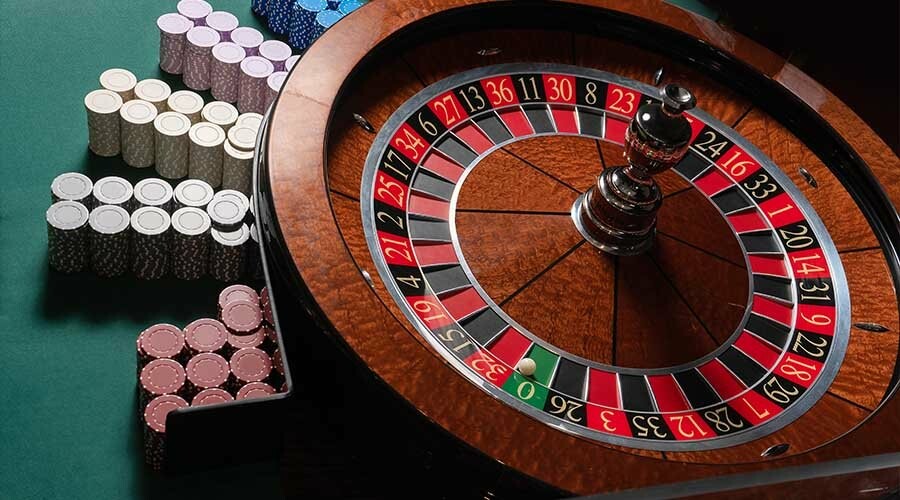
Group dynamics can also affect decision-making in gambling. Social influences may encourage individuals to take risks they would not consider alone. For instance, a player might be swayed by friends to continue betting despite losing, interpreting collective enthusiasm as endorsement of their choices. This social pressure can amplify gambling behaviors, creating a feedback loop that reinforces both engagement and the potential for problematic gambling. The collective atmosphere can lead to a heightened sense of excitement, but it can also cloud judgment.
Furthermore, casinos often capitalize on this social interaction by hosting events, tournaments, and loyalty programs that foster a sense of belonging. By creating an environment where players feel like part of a larger community, casinos can increase player retention and cultivate lifelong habits. The social elements not only enhance the gaming experience but also strategically manipulate the psychology of individuals, making them more susceptible to extended gambling behavior. This can lead to a deeper commitment to the casino experience, often at the expense of personal and financial well-being.
Understanding Responsible Gaming Practices
Recognizing the psychological factors at play in casino gaming allows for the development of responsible gaming practices. It is essential for players to be aware of their motivations and behaviors when engaging with gambling activities. By acknowledging when gaming may be becoming problematic, individuals can take steps to mitigate risks and seek help if necessary. Responsible gaming initiatives often emphasize self-awareness and setting boundaries to prevent compulsive behavior from taking root.
Many casinos also implement responsible gaming measures, such as providing information about problem gambling and offering self-exclusion programs. These initiatives aim to educate players about the risks associated with gambling and promote safer gaming habits. By fostering a culture of responsible gaming, casinos are acknowledging the potential psychological impacts of their environments and taking steps to ensure players can enjoy gaming in moderation. These resources are crucial for maintaining a healthier relationship with gambling.
Furthermore, educational resources and support systems for individuals struggling with gambling addiction are critical components of these responsible gaming practices. These resources can help individuals understand their triggers, develop coping mechanisms, and find support networks, ultimately facilitating healthier relationships with gaming. By combining awareness, education, and support, the negative psychological effects of casino gaming can be mitigated, promoting a more balanced approach to gambling and ensuring that the thrill does not overshadow the importance of responsible gaming.